Reviewing the Christmas Bowling Png for Embroidery
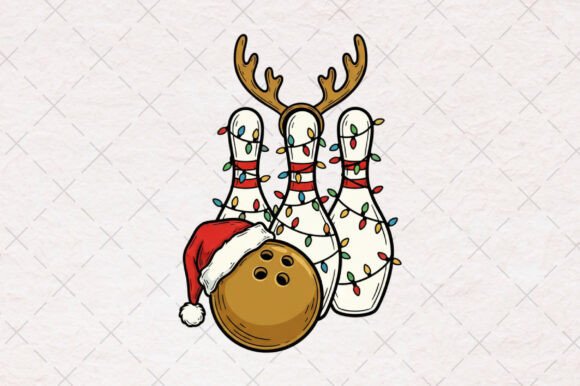
As a designer who spends more time staring at stitch simulations than actual fabric, I have developed a keen eye for what translates well from screen to needle. When I first pulled up the Christmas Bowling Png, my initial reaction was one of amused curiosity. It is not every day you see a holiday-themed design that merges the cozy nostalgia of winter festivities with the kinetic energy of a bowling alley. This specific piece falls under the category of Illustrations, which immediately sets certain expectations regarding line weight, detail, and how it might behave when converted into a machine embroidery design.
The visual personality of this asset is playful and unexpected. It breaks away from the traditional snowflakes and reindeer motifs that saturate the market in December. For an Etsy seller or a craft business owner looking to stand out, this quirky juxtaposition offers a fresh narrative. However, aesthetic appeal is only half the battle. The real question is whether this illustration holds up under the mechanical constraints of an embroidery machine. Let’s dive into how this design performs in real-world applications.
First Impressions and Visual Mood
The mood created by the Christmas Bowling Png is lighthearted and fun. It suggests a sense of community and leisure, perfect for family-oriented products. The layout appears balanced, with distinct shapes that should theoretically separate well during digitizing. When evaluating any digital embroidery file, I look for clear silhouettes. If the original illustration has muddy edges or overly complex gradients, it will be a nightmare to stitch. Fortunately, this design seems to rely on bold forms, which is a positive sign for stitching clarity.
For those of us creating design assets for clients, the uniqueness of the theme is a major selling point. It appeals to a demographic that enjoys sports but also loves the holidays. Think of the dad who bowls every Thursday night or the family reunion that happens over the winter break. This design speaks directly to those niche memories, making it a powerful tool for personalized gift creation.
Real-World Application: The Custom Sweatshirt Test
To truly evaluate this design, I imagined applying it to a common custom apparel item: a heather grey crewneck sweatshirt. This is a staple product for many small shop products. The contrast between the festive elements and the casual sporty vibe works surprisingly well on fleece. The bulk of the fabric supports the stitches, preventing puckering, which is a common issue with lighter materials.
If I were stitching this for a client, I would likely position it on the left chest for a subtle look or centered on the back for a statement piece. On a tote bag design, the larger surface area allows for more detail, but one must be cautious about the stitch density. A heavy fill on a canvas tote can make the bag stiff and unpleasant to carry. Therefore, adapting the Christmas Bowling Png for different products requires thoughtful digitizing adjustments.
Considerations for Smaller Items
While the design shines on larger garments, using it on smaller items like baby embroidery projects or caps requires scrutiny. For a baby onesie, the design must be simplified. Tiny details in the original illustration might turn into a tangled mess of thread if the hoop size is too small. I recommend scaling down the complexity, perhaps removing intricate background elements and focusing on the main bowling pin or ball motif adorned with holiday accents.
On curved surfaces like baseball caps, the stability of the fabric is key. A embroidered patch might be a smarter route here. By stitching the design onto a separate piece of twill and then attaching it to the cap, you avoid the distortion that often happens when stitching directly onto structured hats. This approach also allows for better control over thread colors and tension.
Technical Challenges and Fabric Compatibility
Not all fabrics are created equal, and the Christmas Bowling Png will react differently depending on the texture. On textured fabrics like terry cloth towels, fine details may get lost. In such cases, opting for an applique design style could be beneficial. Using fabric pieces to create the main shapes reduces the stitch count and prevents the design from sinking into the pile of the towel.
When working with stretchy fabrics, such as jersey knits for t-shirts, a proper stabilizer is non-negotiable. Without adequate support, the pulling force of the satin stitch or fill stitch areas can distort the garment. I always advise testing the design on scrap fabric first. This simple step saves hours of frustration and wasted material. Check how the threads interact with the fabric weave. Does the red thread bleed into the white? Does the green look vibrant against dark navy?
Dark fabrics present another challenge. If the design includes light-colored elements, you may need to use an underlay stitch or a white base layer to ensure the colors pop. This is particularly important for holiday embroidery where bright, cheerful colors are expected. A dull or muted result can diminish the perceived value of the finished product.
Enhancing Product Value and Brand Consistency
From a business perspective, the Christmas Bowling Png adds a layer of personality to your brand. It shows that you are not just churning out generic designs but are curating unique, conversation-starting pieces. This builds customer trust and engagement. When buyers see a thoughtful, well-executed design, they are more likely to perceive the item as high-quality, justifying a higher price point.
For commercial embroidery projects, consistency is crucial. Ensure that the digitized version matches the spirit of the original illustration. If the PNG has a hand-drawn feel, try to mimic that with varied stitch angles or a mix of running stitch outlines and fills. Avoid making it look too rigid or computer-generated unless that is the desired aesthetic.
Practical Designer Notes
- Test on Scraps: Always run a test stitch-out on the same fabric type you plan to use for the final product.
- Check Contrast: View the design in black and white to ensure the shapes are distinct and readable without color reliance.
- Review Density: High stitch density can cause puckering. Adjust pull compensation and density settings based on fabric weight.
- Verify Licensing: Before selling items made with this design, confirm the license terms. Ensure it covers commercial use if you are selling physical goods.
- Mockup Testing: Use printable mockups to visualize the design on various products before committing to production.
In conclusion, the Christmas Bowling Png is a versatile and charming addition to your library of Illustrations. It offers a unique twist on holiday themes that can elevate your handmade product lineup. By paying attention to technical details like stabilizer choice, stitch density, and fabric compatibility, you can transform this digital asset into a stunning physical reality. Whether you are creating a fun sweatshirt embroidery for a family gathering or a quirky apron for a holiday party, this design has the potential to delight. Just remember to respect the limitations of the medium and let the quality of your craftsmanship shine through.