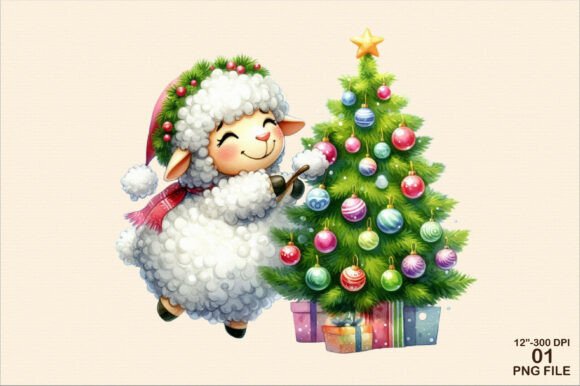
Reviewing Christmas Reading Clipart for Embroidery
As a designer who has spent countless hours digitizing and stitching out holiday motifs, I approach every new Christmas Reading Clipart with a mix of curiosity and caution. The holiday season is saturated with generic snowflakes and Santa faces, so finding an illustration that captures a specific mood—like the quiet cozy joy of reading by the fire—is refreshing. However, what looks charming on a screen does not always translate seamlessly into thread. In this review, I am evaluating this specific set of illustrations from the perspective of practical application, focusing on how it performs in real-world embroidery projects for small businesses and hobbyists alike.
The Visual Appeal and Mood
The first thing that strikes me about this Christmas Reading Clipart is its narrative quality. It is not just a static object; it suggests a scene. Whether it features a stack of books with a sprig of holly, a cozy armchair, or a character engrossed in a story, the theme evokes warmth and nostalgia. For embroidery designers, this emotional connection is vital. When a customer sees a sweatshirt or a tote bag featuring this design, they are not just buying a product; they are buying into the feeling of a slow, peaceful holiday morning.
From a layout perspective, these illustrations tend to have organic shapes. Unlike geometric patterns that require precise alignment, reading-themed clipart often involves curved lines and varied textures, such as the spine of a book or the fold of a blanket. This visual personality makes it ideal for handmade products that aim for a boutique, artisanal feel rather than a mass-produced look. The detail level is generally moderate, which is a sweet spot for embroidery. It offers enough complexity to be interesting but avoids the excessive density that can puckers fabric or break needles.
Real-World Application: A Case Study
To truly test the viability of this design, I imagined a specific project: a custom embroidered canvas tote bag for a local bookstore’s holiday gift guide. The goal was to create a personalized gift that felt sophisticated yet festive. I selected a version of the Christmas Reading Clipart that featured a simple stack of books with a subtle holiday accent.
Working with canvas requires attention to stitch density. If the design is too dense, the heavy fabric can become stiff and unyielding. If it is too sparse, the background fabric shows through, ruining the illusion. In this scenario, the clipart performed well because the open spaces in the illustration allowed the natural texture of the canvas to breathe. I used a combination of satin stitch for the book spines to give them a sleek, shiny finish, and a lighter fill stitch for any broader areas like a blanket or background element. The result was a balanced embroidered patch effect that sat comfortably on the surface without distorting the bag’s structure.
This same design logic applies to sweatshirt embroidery. On fleece or cotton blends, the softness of the thread complements the cozy theme of reading. However, one must be careful with thread colors. Choosing a muted palette—deep greens, burgundies, and creams—enhances the vintage, literary vibe, whereas bright neon threads would clash with the intended mood. For Etsy sellers and craft business owners, this versatility is a major selling point. It allows you to market the same digital embroidery file to different niches, from teachers who love books to parents looking for unique baby embroidery ideas for nursery decor.
Navigating Technical Challenges
While the aesthetic is strong, there are technical considerations when using Christmas Reading Clipart in commercial embroidery. One common pitfall is small lettering. If the clipart includes titles on book spines or small text elements, these can easily become illegible when stitched out, especially at smaller hoop sizes. Thread has thickness, and fine details can merge together, creating a blob rather than a word. I strongly advise testing the design on scrap fabric first. If the text is smaller than a quarter-inch, consider removing it or simplifying the vector before digitizing.
Fabric choice also plays a critical role. On stretchy fabric like jersey knits, a dense design can cause tunneling or warping. Using a proper stabilizer is non-negotiable here. For delicate items like tea towels or pillow covers, the back of the embroidery matters as much as the front. Rough cutaways can irritate skin or snag on other laundry. In these cases, using a tear-away stabilizer and ensuring the running stitch underlay is secure can make a significant difference in the quality of the finished product.
Another area requiring care is curved surfaces, such as caps or hats. Placing a wide illustration of a book stack on a curved cap panel can distort the image. It is often better to choose a narrower, vertical composition from the clipart set or scale it down significantly. Always check the aspect ratio and ensure the design fits within the maximum embroidery area of your machine without encroaching on seams or structural elements.
Enhancing Brand Value and Customer Trust
For small shop product creators, the quality of your embroidery directly impacts brand consistency and customer trust. A well-executed Christmas Reading Clipart design signals professionalism. It shows that you understand how to handle thread tension, color theory, and fabric behavior. This attention to detail encourages buyer engagement and can justify a higher price point for custom apparel and holiday embroidery items.
Moreover, these illustrations serve as excellent design assets for marketing. Before you even stitch a single thread, you can use the clipart to create printable mockup images for your online store. This allows potential customers to visualize the design on a tote bag design, a mug, or a shirt. High-quality previews reduce hesitation and increase conversion rates. Just ensure that you have the appropriate license for commercial use if you are selling the physical embroidered items or the digital files themselves.
Practical Designer Notes
Before you commit to a large production run or list a new item in your shop, keep these practical tips in mind:
- Test on Scrap Fabric: Always stitch a sample on the exact fabric type you plan to use. Check for puckering, thread breaks, and color accuracy.
- Check Contrast: View your design in black and white to ensure the shapes are distinct. If the design disappears in grayscale, it may lack sufficient contrast in thread.
- Verify Licensing: Confirm whether the Christmas Reading Clipart allows for commercial use. Some licenses permit selling finished physical goods but prohibit reselling the digital embroidery file itself.
- Optimize Stitch Density: If you are digitizing the clipart yourself, reduce fill density for larger areas to save thread and time, and to keep the garment flexible.
- Consider the Hoop Size: Ensure the design fits comfortably within your hoop with adequate margin for clamping. Avoid placing critical details near the edge.
In conclusion, Christmas Reading Clipart offers a delightful blend of whimsy and warmth that resonates well with current trends in handmade goods. When approached with technical precision and an eye for detail, it can elevate simple items into cherished keepsakes. Whether you are an experienced embroidery designer or a hobbyist looking to add a personal touch to holiday gifts, this category of illustrations provides a versatile foundation for creative expression. By respecting the limitations of the medium and leveraging the strengths of the design, you can create products that stand out in a crowded market.